Light Steel CAD/CAM
Prefab Construction · CAD/CAM · Manufacturing Automation
An independent engineering project that unites light steel framing systems, CAD/CAM, and manufacturing automation inside a modern desktop software architecture.
In This Article
CAD software has been one of the engineering world's core tools for decades. But a real engineering application used in industry is far more than a program that draws lines, profiles, or geometric objects on a screen. Behind it, geometry, engineering data, user interaction, project management, and production processes all have to work together inside the same system.
The goal is not simply to build another CAD program. It is to rethink the digital chain between design and production inside a modern engineering software architecture.
What Is the Project?
This is an independent engineering software development effort focused on CAD/CAM, light steel framing systems, profile-based production, and manufacturing automation.
At its centre sits a question that looks simple but matters a great deal for engineering software: can a CAD application understand not only what is drawn, but also how the drawn part will be manufactured?
The long-term vision is to bring these two worlds closer. On one side, a modern CAD environment that interacts with the user; on the other, the engineering information created in that environment carrying real meaning for production.
Why Build This?
Many powerful desktop applications built years ago are still in use across the engineering industry today. There is a good reason for that: these applications contain more than code. They also hold user habits, engineering decisions, production experience, workflows, and domain knowledge accumulated over years.
How do you modernise the technology without losing the engineering knowledge built up over years?
That problem is exactly what makes this project interesting to me.
This project is not only about building a new CAD interface.
UNDERSTAND
Understand why the existing engineering behaviour and user workflows were built the way they were.
PRESERVE
Do not needlessly change behaviour that carries value for production or for the user.
REDESIGN
Re-evaluate architecture tied to legacy technologies against today's software development principles.
EXTEND
Build a sustainable foundation for a modern user experience, new engineering features, and technologies that may be added later.
From Legacy Engineering Software to a Modern Platform
The word “legacy” is often used to mean “old and bad software”. In engineering the situation is very different. Software used in production for years can hold extremely valuable business rules.
Legacy Engineering Software
- · Workflows formed over years
- · Strong domain logic
- · Traditional desktop architecture
Re-engineering
Modern CAD/CAM Architecture
- · C# / .NET
- · Modern desktop UI
- · Modular architecture
- · Improved UX
- · Future-ready development
Modernising the technology without throwing away valuable engineering knowledge.
A Professional CAD User Experience
Technical strength alone is not enough for CAD software. In this project the user experience is not a side topic; it is one of the main engineering problems.
Not Reinventing the CAD User's Habits
Pan, zoom, selection, grid, snap, ortho, object snap, dynamic input, and coordinate entry are now part of a shared interaction language CAD users have grown used to.
Good user experience is sometimes not about teaching something new, but about presenting what the user already knows in the right way.
From CAD to Production
In a production-oriented CAD/CAM environment, geometry is not merely a shape on screen; it can represent a physical manufacturing operation to be carried out in the real world.
CAD → Engineering → Manufacturing
CAD
The user creates the engineering model.
Engineering Data
Geometry is treated as engineering data that carries meaning.
Manufacturing
That information is converted into data the production processes can understand.
Physical Product
The digital model becomes the basis for production in the real world.
In Light Steel, CAD Is Not Only Geometry
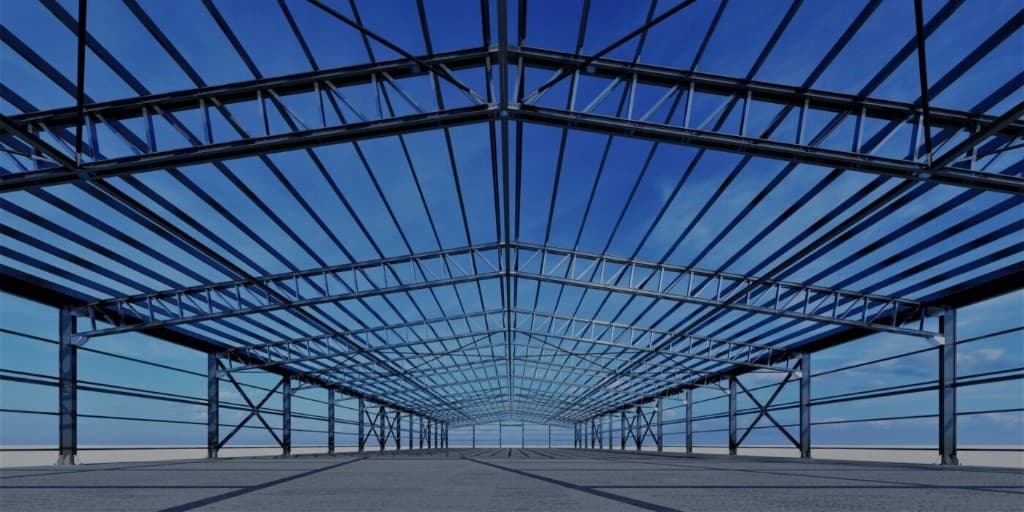
The project focuses on light steel framing systems — Light Gauge Steel / Light Steel Framing. In these systems, design and production are not entirely separate processes.
The digital model is the starting point of production information.
The core idea: Drawing → Engineering Information → Manufacturing
What Makes the Approach Different
CAD-Focused
The drawing and interaction approach used in professional engineering software. The goal is not a simple drawing canvas but a real engineering workspace that can grow over time.
Manufacturing-Aware
A data approach in which geometric elements are never fully detached from their manufacturing context. The aim is for engineering information created in CAD to carry through to production.
Modern Architecture
Infrastructure built on the modern C#/.NET ecosystem — a sustainable architecture where future modules will not require rewriting the existing system.
Long-Term Platform
Not a closed application whose only job is producing certain drawings, but a shared platform between CAD, engineering data, and manufacturing automation.
Domain
CAD / CAM
Focus
LGS / LSF
Platform
Desktop Engineering
Tech
C# / .NET
Status
Ongoing Development
An Engineering Platform Open to the Future
The CAD world is changing. Parametric modelling, manufacturing intelligence, and AI-assisted engineering tools matter more every year.
To build an engineering environment where design is not merely drawn, engineering meaning is preserved, and how production will be carried out is also understood by the digital system.
Frequently Asked Questions
The questions asked most often about prefab CAD/CAM and light steel framing systems.
What is this project?
An independent engineering software project that aims to bring CAD/CAM, light steel framing systems, profile-based production, and manufacturing automation together with modern desktop software technologies.
What is it being built for?
The core goal is a modern, sustainable engineering software foundation where the geometric and engineering data created in CAD keeps its meaning all the way from design to production.
Which technologies is it built with?
The new-generation infrastructure predominantly uses C#, .NET, and modern Windows desktop application development technologies.
Is this a CAD program or CAM software?
It is not conceived purely as a classic CAD drawing application. The long-term approach is to bring CAD functions and production/CAM processes closer together within a shared engineering data model.
How does it relate to light steel structures?
In light steel systems, profiles are not only geometric parts; they also represent building components that will be manufactured in the real world. The relationship between profile geometry and production information is therefore handled together.
Why does modernising legacy CAD software matter?
Engineering software used for many years can hold significant business rules and domain knowledge. The point of modernisation is not to lose that knowledge but to carry it forward with more sustainable technologies, a modern user experience, and an extensible software architecture.
Is this just a UI refresh of existing software?
No. The modern user interface is only the visible part. The work also covers re-evaluating the command system, CAD interactions, data models, project infrastructure, and production-oriented processes within a modern architecture.
Is development ongoing?
Yes. It is actively developed as a modular, long-term independent software engineering project.
Is artificial intelligence planned for the project?
Areas where AI-assisted engineering tools could be used are being evaluated for the long term. But the goal is not to add an AI feature for its own sake — it is to build intelligent tools where they provide real benefit in engineering and production processes.
Is it a commercial product?
On this page the project is presented as engineering and software development work I pursue independently. It is shared here to convey the development approach, the technical vision, and how I approach engineering problems.